S S Anil
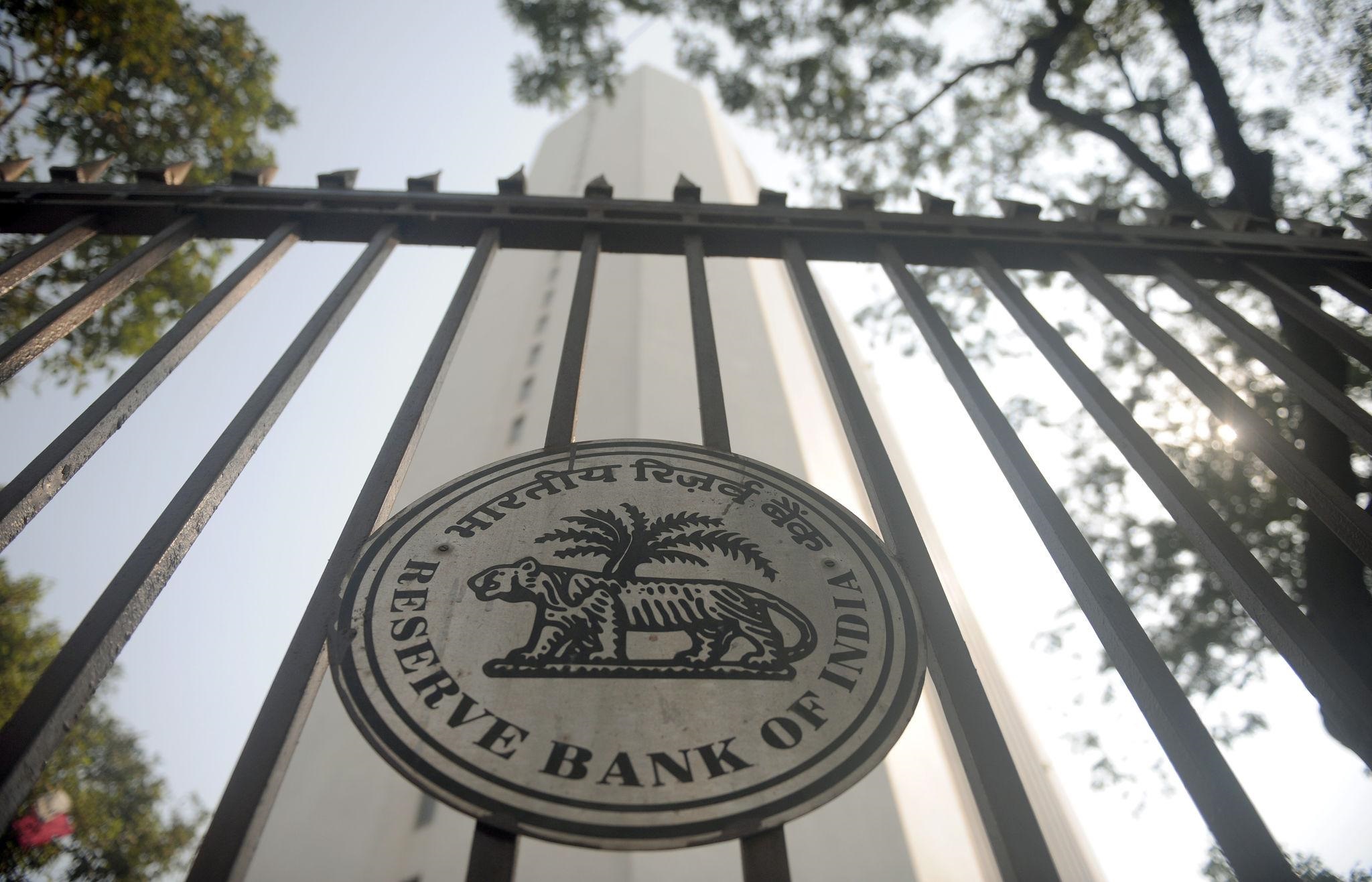
The Reserve Bank of India (RBI) has decided to transfer ₹2,86,588.46 crore as surplus profit to the Union Government for the financial year 2025-26. This decision was taken on May 22, 2026, in a board meeting chaired by RBI Governor Sanjay Malhotra. This marks the largest surplus profit transfer in history. While the media used to give massive coverage to such large transfers by the Reserve Bank in the past, that was missing this time. Some financial media outlets reported that this would provide substantial financial cushion to the country at a time when India is passing through global economic uncertainties. “A saviour in times of adversity” was how another prominent media house phrased it. Meanwhile, a leading Malayalam daily added a blatant lie, claiming that the amount transferred by the RBI was much lower than what the Union Finance Ministry had estimated as dividend income in the budget, thereby whitewashing the Union Government.
In the last budget, the total expected financial revenue from the RBI and other public sector financial institutions, including public sector banks, was projected at ₹3.16 lakh crore. Out of this, ₹2.87 lakh crore has already been received from the RBI alone. The net profit of public sector banks in the last financial year stood at ₹1.98 lakh crore, and that of LIC was ₹57,419 crore. General insurance companies and other public sector entities, including NABARD, have also recorded record net profits. Based on last year’s contributions, these institutions are highly likely to provide more than ₹40,000 crore in dividends to the government this year. This means the government is certain to receive a dividend income much higher than what was anticipated in the budget—and it is in the light of this reality that the media is adopting this whitewashing policy.
The profit of the Reserve Bank is accounted for as its reserves. The RBI’s surplus income is calculated by taking its earnings, which include interest from Indian/foreign government securities, foreign investments, and monetary policy operations (Repo and Reverse Repo), alongside income from foreign exchange transactions, valuation gains on government bonds, and commissions, and deducting expenses like currency note production, distribution, agency commissions, costs incurred while implementing monetary policies, and funds set aside for the country’s industrial and rural development. The money set aside from this surplus income constitutes the RBI’s reserves, meant to protect the nation’s economy. Therefore, the RBI handles these reserves with extreme caution. A specific amount from the surplus profit is retained as a Contingency Risk Buffer fund. The money set aside as a contingency fund is meant to closely monitor shifts in the national economy and overcome potential unexpected crises in the future. The contingency fund is the actual reserve that protects the nation’s economy. The remaining amount used to be transferred by the RBI to the Union Government. This was the policy implemented by the RBI for a very long time.
EXPERT COMMITTEES TO
SNATCH LAKHS OF CRORES
However, the government ruling the country since 2014 has been adopting the exact same approach toward the RBI as it does toward other constitutional institutions and the public sector. The Union Government began intervening even in the emergency contingent reserves held by the RBI. Arguing that the RBI holds far more cash in reserves compared to central banks in developed nations, the Finance Ministry contended that a larger sum should be transferred to the Union Government for the country’s developmental needs. However, the RBI maintained that this money must remain with it to counter financial crises. To find a permanent solution to this dispute and to accurately assess the capital requirements of the RBI, a six-member expert committee was appointed in December 2018 under the chairmanship of former RBI Governor Bimal Jalan to formulate a new Economic Capital Framework. As if matching the doctor’s prescription to the patient’s desire, the Bimal Jalan Committee recommended that maintaining an emergency contingency fund between 5.5% and 6.5 per cent of the RBI’s total assets would suffice. The High-Level Committee on Banking for Viksit Bharat, announced in the recent budget to improve the efficiency of public sector banks and non-banking financial companies (NBFCs), is likely to submit a report tailored along similar lines aimed at the complete monopolisation of the financial sector.
Backed by the Jalan Committee report, lakhs of crores are now being transferred by the RBI to the Union Government after setting aside just 6.5 per cent for this financial year (2015-16). It is worth remembering that the amount set aside last financial year was 7.5 per cent.
The gravity of the current transfers can only be understood when one realises that during the 11-year period from 2003 to 2014, before the Modi government came to power, the total amount transferred by the RBI to the Union Government was just ₹2,06,102 crore (Chart 1). Meanwhile, the transfer amount from 2014 to 2026, since the Modi government assumed office, stands at a staggering ₹14,28,445 crore (Chart 2). Out of this, a massive ₹7,66,052 crore was transferred by the RBI to the Union Government without any opposition in the last three financial years alone.
FAMILIARITY BREEDS
ACCEPTANCE
There is no serious discussion happening, or rather, no readiness to discuss, the severe economic repercussions that such massive transfers from the Reserve Bank’s reserves could trigger in the economy. Arvind Panagariya, Chairman of the Sixteenth Finance Commission and former Vice-Chairman of NITI Aayog, remarked that this year’s transfer is highly significant even when viewed as a proportion of the government’s total expenditure. He characterised it by saying that earmarking a specific revenue solely for a specific expenditure is impractical, and all these revenues simply become a part of the Government of India’s overall revenue pool.
Economic observers who rush to whitewash the Modi government argue that this surplus revenue from the RBI flows into the government’s Consolidated Fund and will be deployed across various priority sectors. They claim it will remain the government’s highest spending priority, aimed at driving economic growth through infrastructure development. Furthermore, they argue that given the spike in international market prices due to the West Asian crisis, expenditure on fertiliser subsidies is likely to skyrocket, and this money can be used to contain it. They also claim that if fuel prices or inflation rise significantly, this fund can be used to provide direct cash transfers and other support to the poor. However, past experiences, the current surge in oil prices, the soaring costs of essential commodities, and the subsequent protests against inflation and labour exploitation in industrial zones across northern India such as Noida, Faridabad, and Rudrapur clearly point to the hollowness of these arguments.
The Reserve Bank builds up its reserves under names like the Contingency Risk Buffer Fund precisely to protect the nation’s economy. It is this very reserve that the Union Government is now looting. Even while pocketing lakhs of crores in this manner, the Union Government is not introducing any plan to assist state governments by changing the revenue-sharing formula for tax devolution. Since the RBI’s reserves belong to all citizens of the country, the RBI must release accurate data regarding the exact amount remaining in the Contingency Risk Buffer. Not only that, the Union Government must also inform the public about how the money received from the RBI’s surplus reserves over the past years was spent. The RBI’s capital reserve is the nation’s safety net during times of crisis. Using reserve funds for day-to-day routine expenses instead of maintaining security is best described as sheer extravagance. Responses must rise against this ‘extravagance’ which, by becoming a regular habit, is slipping away from public attention while threatening the very survival of the country’s financial sector.


