Mariam Dhawale
The first Mahad Satyagraha of 1927, led by Dr B R Ambedkar and Comrade R B More, was a landmark struggle against caste discrimination, especially for the right of “untouchables” to access public water sources like the Chavdar Tank in Mahad. It challenged caste-based untouchability and marked a pivotal moment in India’s social reform movement and constitutional discourse on equality. While the March 19–20, 1927, protest focused on the Chavdar Tank Water Satyagraha, the December follow-up (often called Mahad 2.0) included the public burning of the Manusmriti on December 25, 1927.
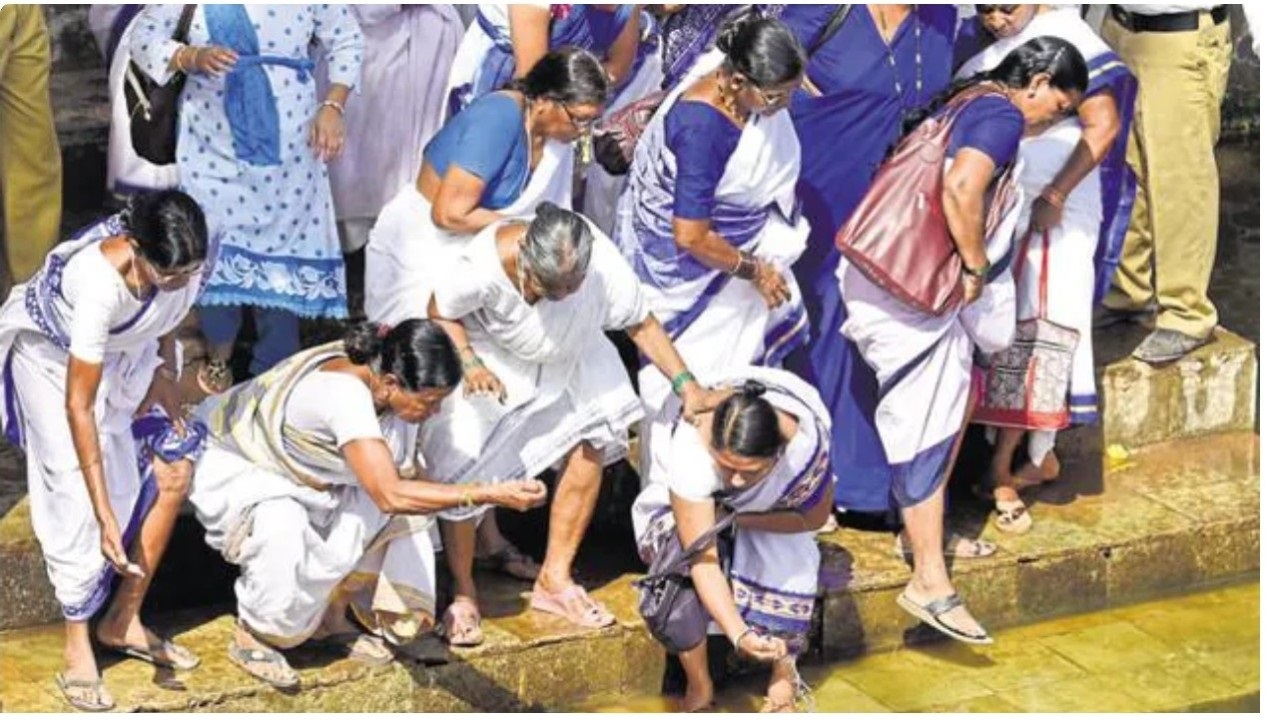
Women played a significant, active role in both phases, not merely as supporters but as equal participants who marched, asserted rights, spoke publicly, and embraced social reforms urged by Ambedkar. Their involvement highlighted the intersection of caste and gender oppression and laid early foundations for Dalit women’s empowerment and broader gender equality in the anti-caste movement. While often remembered as a major anti-caste mobilisation, the role of women in this movement was both significant and transformative.
Women as Active Participants, Not Mere Supporters
Dalit women did not remain in the background. They actively participated in marches asserting their right to public resources. Their presence challenged both caste oppression and patriarchal restrictions, marking a dual struggle. Women not only attended but also spoke at meetings and gatherings. The satyagraha helped cultivate political awareness among Dalit women, encouraging them to see themselves as agents of change rather than merely as passive victims. Women helped in spreading awareness in villages, collecting funds, preparing venues, and encouraging participation despite threats and abuse. Their presence in marches, tank access, and processions embodied equality. Upper caste women allies, like Indirabai Naik, Mrs. Sahasrabuddhe and Manoramabai Pradhan supported by cooking for inter-caste events, further breaking barriers.
For Dalit women, the Mahad Satyagraha was not just about water, it was about human dignity. Drawing water from the Chavdar Tank symbolised a rejection of caste-based humiliation. Women, who bore the daily burden of fetching water, were directly affected by such exclusion, making their participation deeply political and personal. The movement encouraged women to step out of traditional roles. Under Dr. Ambedkar’s leadership, women were urged to dress with dignity, pursue education and reject oppressive customs.
Caste and Gender Oppression
Women’s participation challenged patriarchal norms within Dalit communities and caste discrimination simultaneously. It inspired Dalit women’s consciousness. Ambedkar viewed women as key to the success of the movement without whose involvement, reform would be slow. The movement influenced constitutional ideals of equality, dignity, and rights, including gender dimensions.
The Mahad Satyagraha highlighted how caste and gender oppression intersect. Dalit women faced triple marginalisation - caste, class, and gender. Their participation exposed this triple exploitation and laid the foundation for later Dalit women’s movements.
The involvement of women in Mahad inspired their participation in later struggles led by Babasaheb Ambedkar namely, the Kalaram Temple Entry Movement at Nashik and later campaigns for education and legal rights.
Participation in First Satyagraha (March 19–20, 1927)
Around 3,000 Dalit delegates, including a large number of women, gathered for the Conference of the Depressed Classes at Mahad. Women marched alongside men through the town streets to the Chavdar Tank on March 20. They touched and drank the water in a symbolic act of defiance against centuries-old prohibitions that deemed their touch “polluting.” This collective assertion defied upper-caste hostility and faced backlash. Caste Hindus retaliated with assaults on participants, including on women and children.
Ambedkar directly addressed the women during or after this phase, urging them to shed visible markers of untouchability. He encouraged Dalit women to wear nine-yard saris in the style of upper-caste women (fully covering the legs and ankles, unlike the shorter or differently draped styles previously imposed on them). Two upper-caste women activists, Indirabai Chitre and Lakshmibai Tipnis, helped Dalit women practically adjust and adopt this new sari style on the spot, symbolizing dignity and equality.
Second Satyagraha (December 25-27, 1927) and Women’s Prominent Role
Women’s involvement intensified at the second Satyagraha, which was attended by nearly 5,000 women delegates. A women’s conference was organised, and women joined processions around the lake. They supported key resolutions, including one affirming “all human beings are equal from birth,” placed by Gangubai Savant. Shantabai Shinde-Bhalerao delivered a powerful speech advocating the destruction of the Chaturvarnya (four-varna) system, “Unless the Chaturvarnya system is destroyed, there is no hope for Hinduism... allow this social revolution... to unfold peacefully... reject the Shastras and embrace justice.”
The burning of the Manusmriti (a text that codified caste and gender hierarchies, treating women and Shudras with contempt) on December 25, publicly rejected scriptural oppression of both Dalits and women.
Ambedkar’s Historic Speech to Women
In his address to the assembled women on the night of December 25, Dr Ambedkar emphasized that social change required men and women working together. He placed special responsibility on women as mothers and household influencers to eradicate untouchability. He stated, “Men and women together resolve the problems of everyday life. So must the problems of society be solved by men and women working together... The task of removing untouchability belongs not only to men, but to you women. You have given birth to us men.” He also exhorted women to dress with dignity, wear clean clothes (even if patched) and wipe out the signs of untouchability by changing the sari style to match upper caste women. He told women to refuse to feed drunkard husbands or sons and educate daughters equally with sons. Women took collective pledges for education, cleanliness, and abandoning stigmatizing customs, contributing to long-term community reforms.
Conclusion
Women’s participation in both the Mahad Satyagrahas gave the movement a broader social character, linking the anti-caste struggle with women’s liberation. It was one of the earliest instances in India where marginalised women collectively asserted their rights in the public sphere. Women were not peripheral but integral - marching, speaking, reforming customs, and sustaining the struggle. Their courage in 1927 helped transform the Mahad Satyagrahas from a water-rights protest into a broader assertion of human rights, dignity, and gender-inclusive social revolution. This history underscores Dr Ambedkar’s vision that true equality requires annihilating both caste and gender hierarchies.


